No Fee Unless We Win
Every case is on contingency. The consultation is free, we advance the case costs, and our fee comes only out of the recovery.
Serving Oceanside & North County San Diego
Rear-ended at the 5/78 merge? Hit on Coast Highway or coming off base? Get a local lawyer on your side before the insurance company calls. No fees unless we win.
Available 24/7 · Se habla español · Free consultation
Tell us about your crash. A lawyer responds fast — usually within minutes.
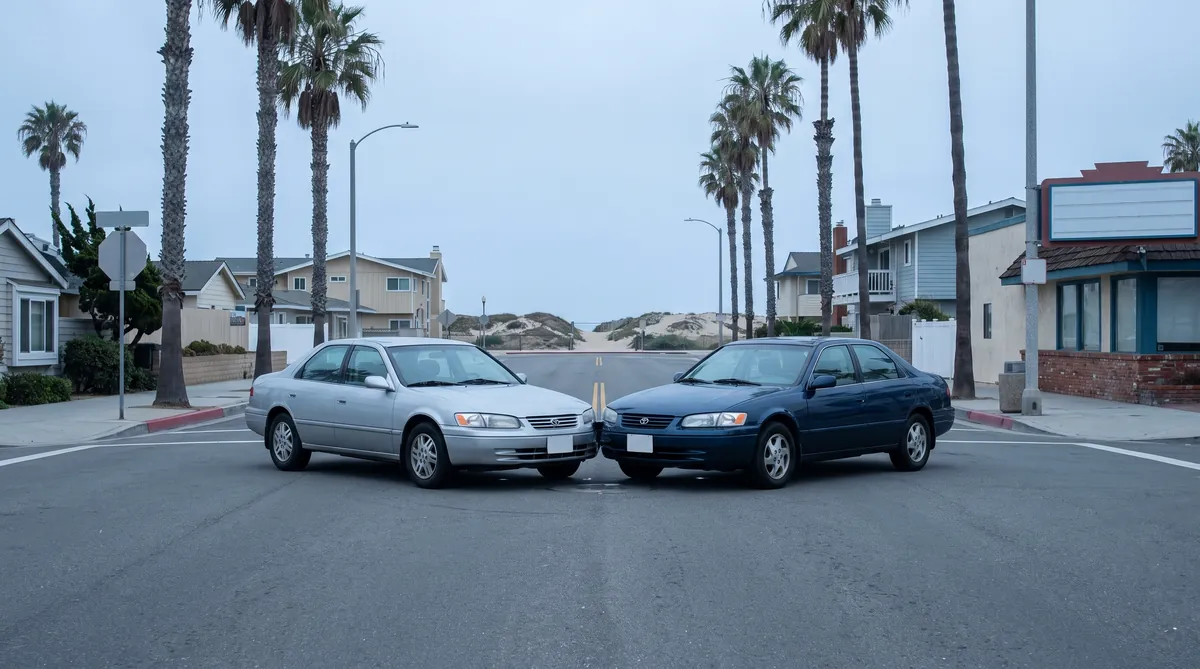 Car AccidentsThe 5/78 crush, Coast Highway rear-ends, and every crash between the beach and the back gate
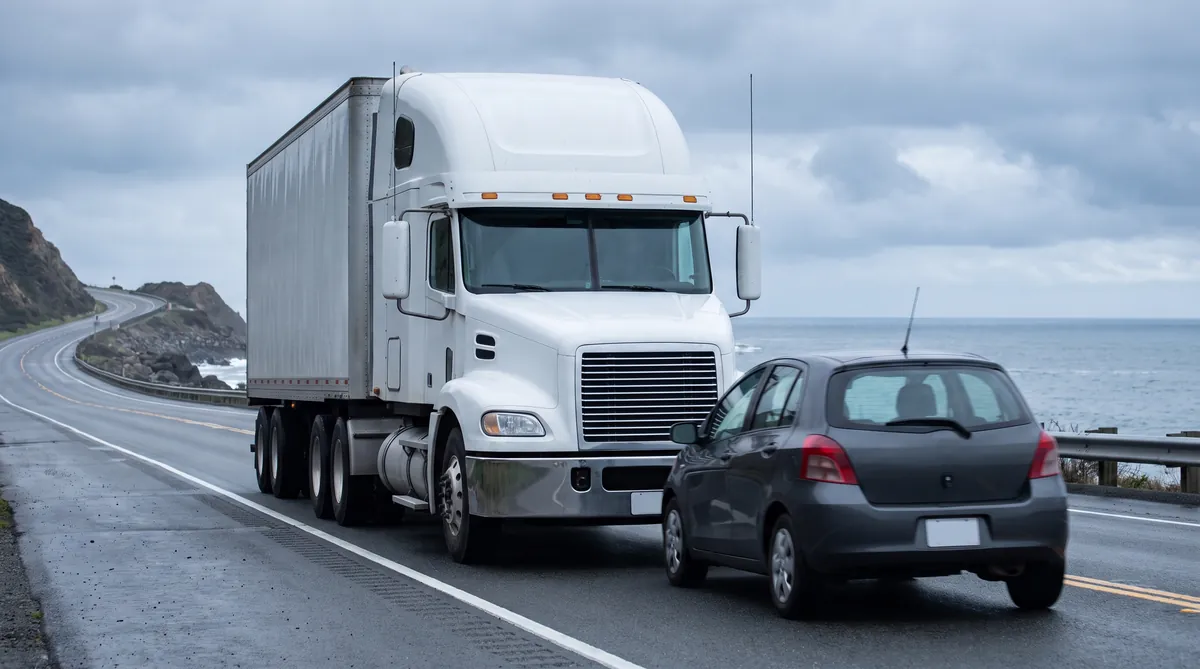 Truck AccidentsI-5 freight, harbor haulers, and delivery trucks working the beach grid
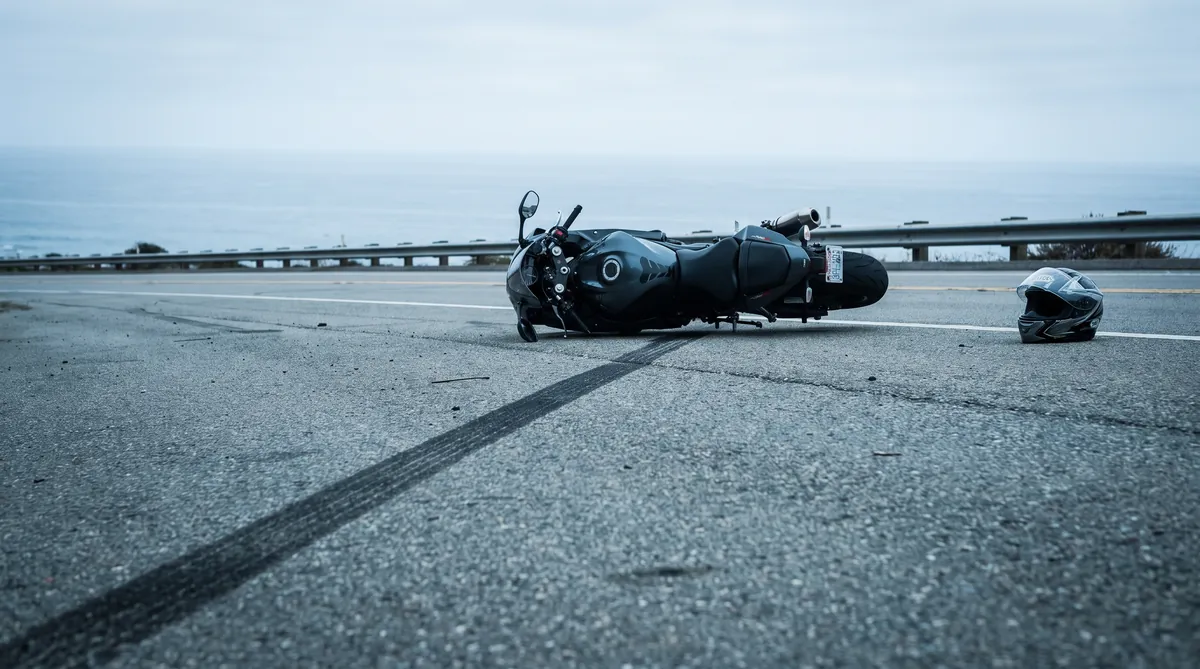 Motorcycle AccidentsCoast Highway riders and Pendleton commuters hit by drivers who “never saw” them
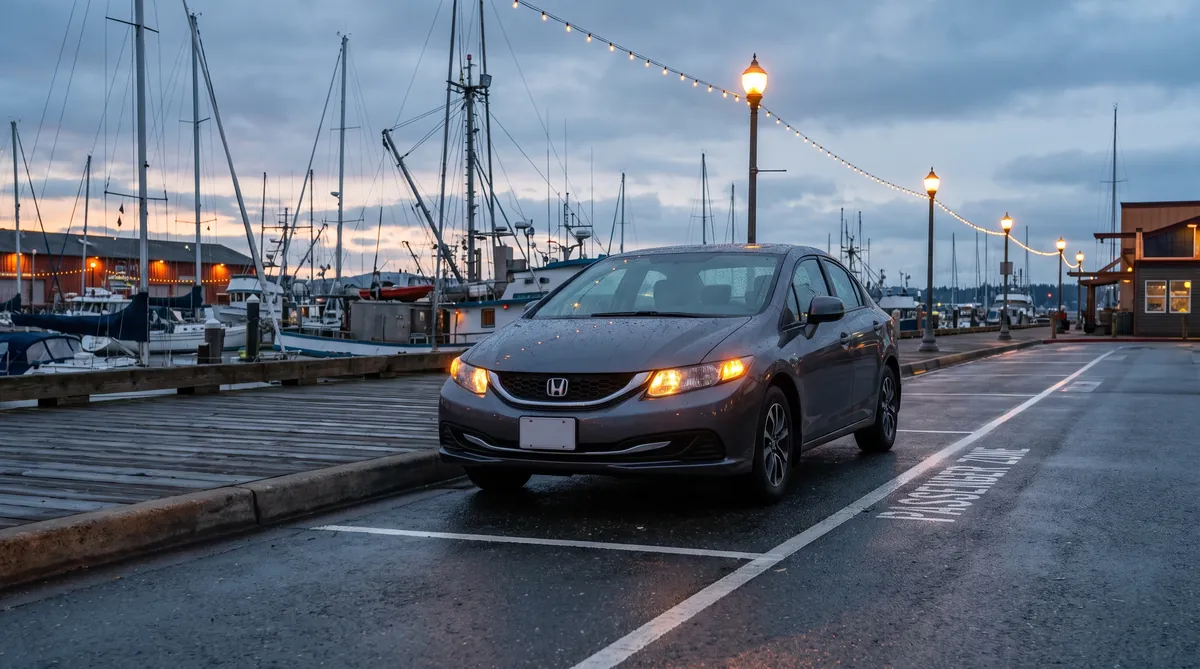 Rideshare AccidentsUber and Lyft runs between the pier district, the harbor, and the transit center
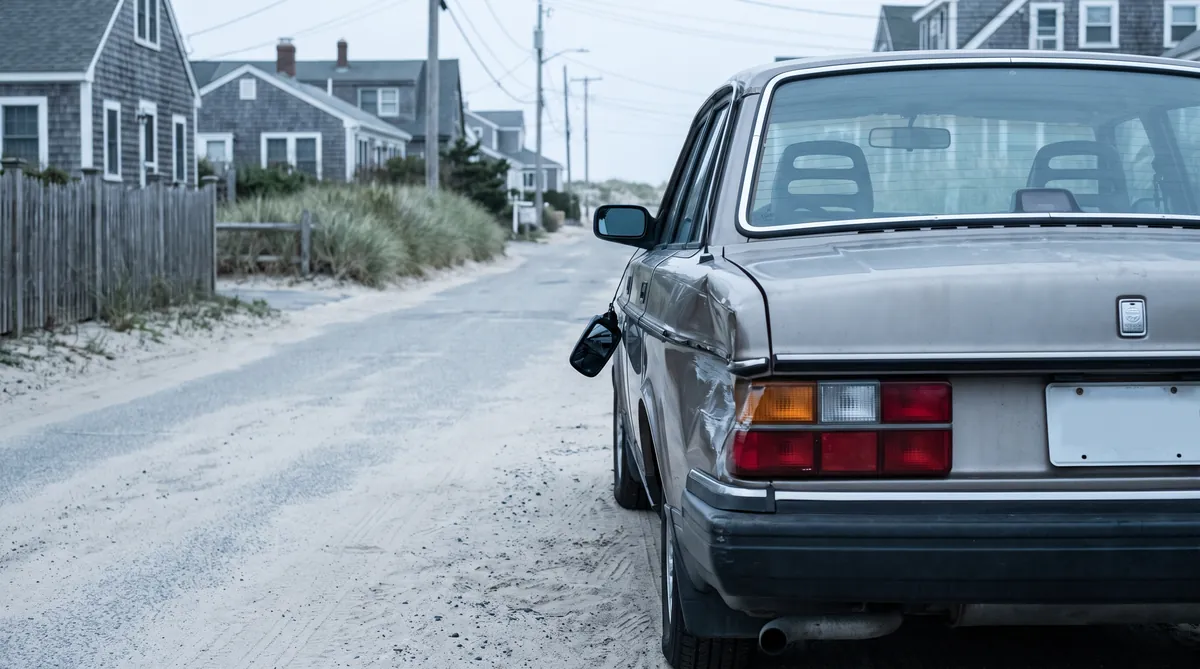 Hit & Run / Uninsured DriverRoughly 1 in 6 California drivers is uninsured — your own UM/UIM coverage may pay your claim
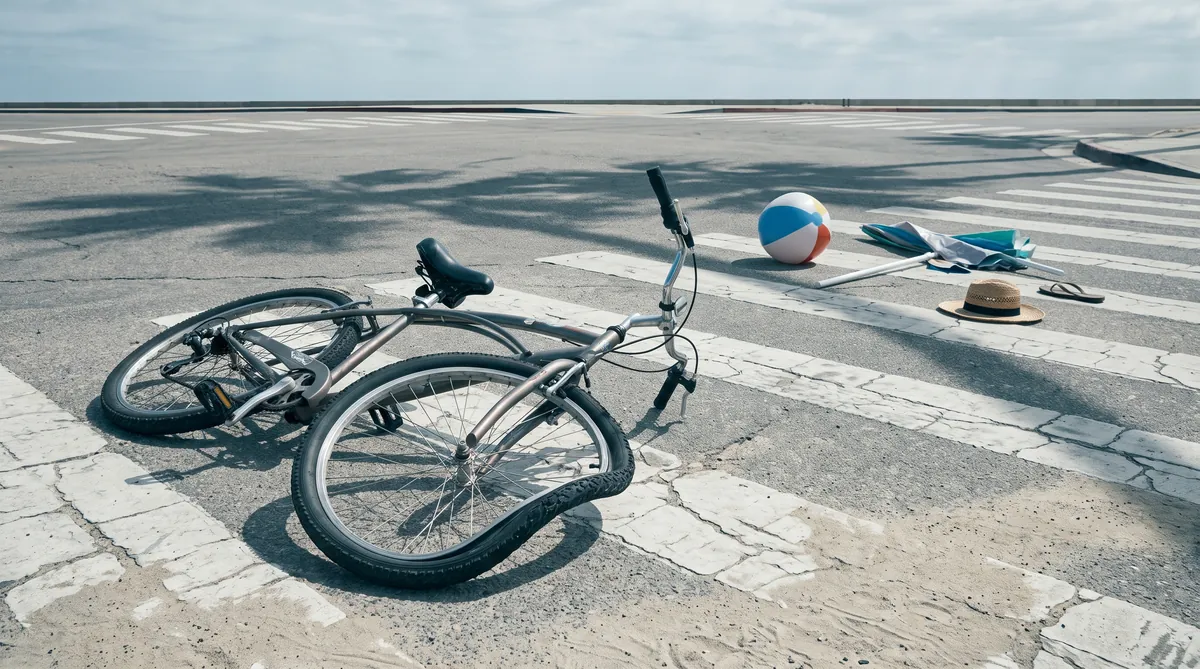 Pedestrian & Bicycle InjuriesThe Strand, the pier district crosswalks, and streets where beach crowds meet traffic
 Serious & Catastrophic InjuryBrain, spinal and wrongful-death cases from high-speed 5 and 78 collisions
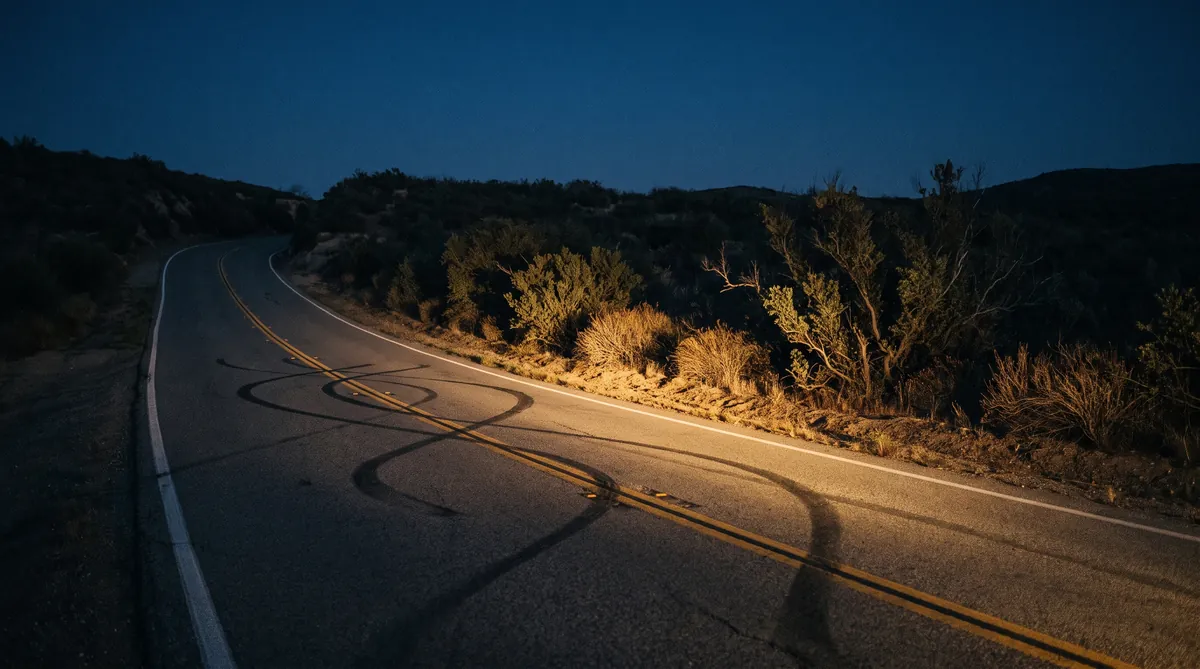 Drunk & Distracted DriversPunitive damages may apply — late-night crashes leaving the pier district and casino runs on the 76
Every case is on contingency. The consultation is free, we advance the case costs, and our fee comes only out of the recovery.
The 5/78 interchange, the gate traffic on Vandegrift, summer gridlock on Mission — and the North County courthouse in Vista where these cases land.
Not a call center reading a script. You'll hear what your case may be worth and what to do next — including when the honest answer is that you don't need us.

The adjuster who calls after your crash sounds helpful. Their job is to close your claim fast and cheap — a recorded statement you'll regret, and a check that runs out before your treatment does.
One free call levels it. A lawyer can tell you what your case may be worth, takes over every conversation with the insurer, and you pay nothing unless your case wins. Don't hand your recovery to the first friendly voice on the phone.
Call (760) 334-6195No recovery, no fee. Find out what your case may be worth — free.
Call (760) 334-6195Five-star experiences from injured North County residents.
My husband was deployed when I got rear-ended on the 78. They handled everything — the insurance, the rental, the bills — and explained each step so I never felt alone in it.
Hit on Coast Highway during the summer crowds. They found camera footage I never would have gotten and the settlement covered every bill plus a lot more.
The other driver had no insurance and I thought that was the end of it. Turns out my own policy covered me — they found coverage I didn't know existed.
As a nurse I know what treatment costs. Their number for my case was honest from day one and the final settlement matched it.
Straight answers, no drama. They told me my first case wasn't worth pursuing — so when my real crash happened, they were the only ones I trusted to call.
Me atendieron en español desde la primera llamada y me explicaron todo el proceso. Muy agradecido con el equipo.
T-boned by a left-turner near the mission. They dealt with the adjuster's games while I did physical therapy, and the result was more than fair.
I ride to base every day. When a lane-changer took me down, they shut down the 'biker's fault' routine with actual evidence.
Retired, on a fixed income, worried a lawyer meant bills. Zero up front, and the fee came out of the settlement exactly like they said it would.
My daughter was hurt as a passenger in a rideshare. They handled three insurance companies at once and kept us out of the crossfire.
Oceanside carries three kinds of traffic at once. The I-5 runs the coast with everything Southern California can throw at it; the SR-78 begins here and funnels the whole North County inland corridor through one interchange; and Camp Pendleton's gates release tens of thousands of commuters in surges the rest of the county never sees. Add summer — when the pier district, The Strand, and Mission Avenue fill with visitors hunting for parking — and serious collisions happen here every single day. If you've been searching for a car accident lawyer near me from a Tri-City waiting room, this page is for you.
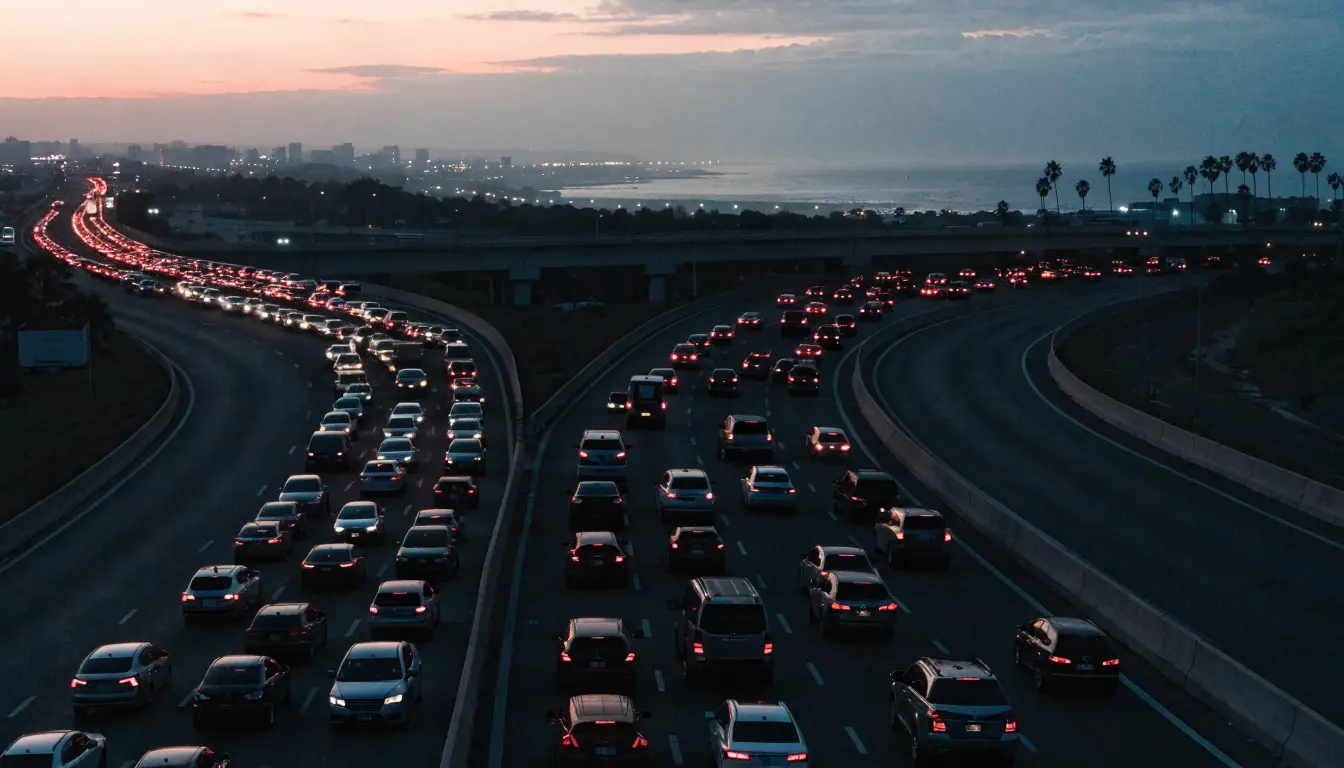
The 78 begins at the 5 in Oceanside, and that merge is one of North County's most notorious chokepoints — short weaves, hard braking, and commuters threading toward Vista and San Marcos. Crashes here produce disputed lane-change stories and multi-car chains, which makes early evidence — camera footage, event data recorders, witness numbers — the difference between a strong claim and a stalemate.
A huge share of Oceanside drives to and from Camp Pendleton on a schedule the base sets. Gate surges on Vandegrift, young drivers far from home, deployments that complicate treatment and paperwork, TRICARE liens on settlements — we work these wrinkles every week. The best car accident lawyer in San Diego County for a Pendleton family isn't a downtown tower; it's someone fluent in how base life collides with an injury claim.
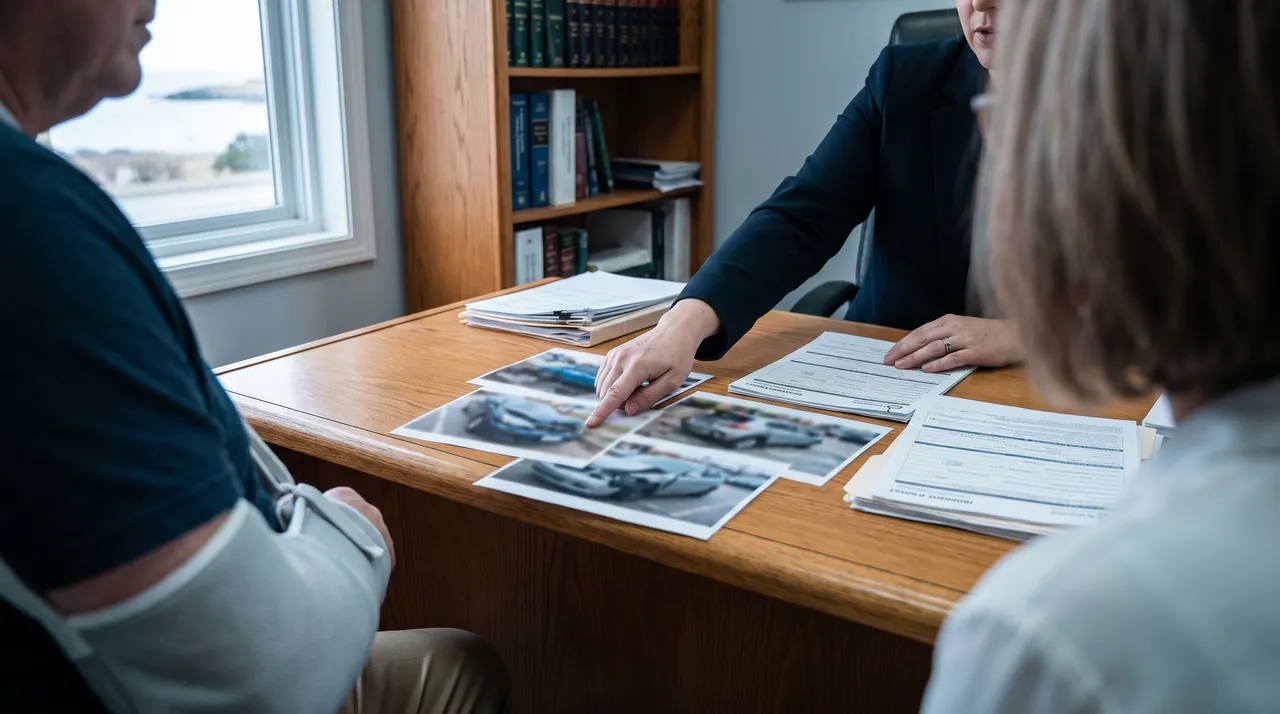
Get medical care first, even if you feel “mostly fine” — neck, back and head injuries often surface days later, and a treatment gap is the insurer's favorite argument. Photograph everything, get the report number (Oceanside PD in the city, the CHP on the freeways), file the SR-1 with the DMV within 10 days, and give the other driver's insurer nothing recorded. Then find out what your case may be worth before their first offer tries to answer that question for you.
Everything below is specific to car accidents in and around Oceanside — the agencies, the deadlines, the corridors, and the dollar mechanics that decide what your claim is worth, including the military wrinkles that come with a Camp Pendleton town. Reading it takes about twelve minutes; skipping it takes one call to (760) 334-6195, answered 24 hours a day, free.
The first two days after a car accident quietly decide how the next two years of your claim will go, so treat them as part of the case rather than a blur you survive. If anyone is hurt, call 911 and accept transport, because refusing the ambulance to save money is the very first note an adjuster will use against your injury claim later. If you can move safely, work the scene in this order:
1. Photograph all four corners of every car, plus plates, licenses, and insurance cards.
2. Capture the lane positions, skid marks, debris, and the nearest cross-street sign before anything moves.
3. Collect the name and phone number of every witness, since most of them merge back into traffic within five minutes.
4. Ask the responding officer for the report number before they leave the scene.
5. See a doctor within 72 hours even if you feel fine, because adrenaline routinely hides neck and head injuries for one to three days.
There is also paperwork that nobody at the scene will mention to you. California requires an SR-1 report filed with the California DMV within 10 days whenever a crash involves any injury, any death, or more than $1,000 in damage, and at today's body-shop prices nearly every car accident clears that threshold easily. Missing the SR-1 can suspend your license even when the other driver was entirely at fault, which makes it one of the cheapest mistakes to avoid in the entire process.
The answer depends on the pavement you were on when the collision happened, and getting it right saves you weeks of waiting. Crashes on Oceanside's surface streets belong to the Oceanside Police Department, whose records unit handles copy requests for city collisions. Crashes on the I-5, the 78, the 76, or any on-ramp or off-ramp belong to the California Highway Patrol instead, and those reports are requested with a CHP 190 form through the area office that responded to your accident.
Reports typically become available one to two weeks after the crash, and somewhat longer when serious injuries or a DUI investigation are involved. As a driver, passenger, or injured party you are legally entitled to a copy, and it matters more than most people expect, because the report fixes the officer's fault assessment, both insurance policies, and witness contact information in one document that insurers treat as the starting point for every negotiation. If the report contains an error — and they sometimes do — a supplemental statement can correct the record, but only if someone catches it early. A law firm will pull the report for you as routine first-week work; one call to (760) 334-6195 starts that the same day.
Start with the interchange this city is famous for: the 78 begins at the I-5 in Oceanside, and that merge compresses North County's commuter volume into short weaves that produce rear-end chains and disputed lane-change stories all day long. Add the 76 corridor carrying traffic east past the San Luis Rey River toward Bonsall, Coast Highway's mix of beach traffic and left turns, College Boulevard and El Camino Real as the inland pressure valves, and the daily surges through Vandegrift Boulevard when Camp Pendleton's gates open and close, and you have a car accident map that any local adjuster could sketch from memory.
None of this is folklore, because every reported injury collision on these corridors is plotted street by street in the UC Berkeley Transportation Injury Mapping System, and the California Office of Traffic Safety publishes city-level crash rankings that put numbers behind the pattern. Where your car accident happened also carries legal weight: it determines which agency holds your report, and whether a public entity such as the city or Caltrans shares responsibility for the design or condition of the road itself.
The honest answer is earlier than most people call, and the reason is evidence rather than urgency theater. Skid marks fade within days of a car accident, businesses along Coast Highway and Mission Avenue overwrite their camera systems every 30 to 90 days, vehicles get repaired or scrapped with their event data recorders still inside, and witnesses stop answering unfamiliar numbers within weeks. Every one of those losses is permanent, and every week of delay hands the insurance company an argument it never has to fight about.
Meanwhile the other driver's insurer is not waiting: their adjuster typically calls within 24 to 48 hours, asking for a recorded statement while you are still sore and offering a quick check before your injuries are even diagnosed. Hiring a car accident lawyer in week one flips that timeline, because preservation letters go out immediately, the adjuster's calls get redirected, and your only job becomes treatment. The consultation costs nothing, so the practical rule is simple: if the crash involved any injury at all, make the free call before you make any decisions you cannot take back.
The core of the practice is exactly what it sounds like — car accident claims of every variety, from rear-end collisions on the 5 to intersection crashes on College Boulevard — but the same legal machinery covers the whole family of roadway injuries. That includes truck accidents involving commercial carriers and their federal regulations, motorcycle accidents where rider bias has to be countered with physics, rideshare crashes with their million-dollar coverage tiers, hit-and-run and uninsured driver claims that run through your own policy, pedestrian and bicycle injuries along the coast, and the catastrophic-injury cases where lifetime costs have to be calculated correctly the first time.
Each of those categories has its own page on this site with the specific rules, coverage layers, and evidence problems it brings, and each one ultimately answers to the same question: who was careless, and what insurance is available to make it right? If you are not sure which category your crash falls into — many real collisions straddle two or three — that sorting is precisely what the free case review is for, and it takes about twenty minutes.
California has used pure comparative negligence since the Supreme Court decided Li v. Yellow Cab in 1975, which means fault is divided in percentages and your recovery is reduced by your share rather than eliminated by it. If your damages total $100,000 and you carry 25 percent of the blame, you still recover $75,000, and even a driver who was 90 percent responsible can recover the remaining 10 percent. That single rule is why partial fault should never end the conversation about your car accident claim.
It is also why fault percentages are argued rather than announced. The number an adjuster assigns you is an opening position calculated to shrink the payout, because every point of fault moved onto you is money the insurer keeps. The counterargument is built from evidence: the police report, the photographs, the physical damage patterns on both cars, event data recorder downloads, camera footage, and witness accounts. At the scene, never guess your speed, never apologize out of habit, and never speculate about what you could have done differently, because those become exhibits. State the facts and let the investigation set the percentages.
Three clocks can run at once after a car accident here, and they are not the same length. The main statute, Code of Civil Procedure § 335.1, gives you two years from the crash date to file a personal injury lawsuit, while property damage claims get three years. The short fuse is the government claim: if a city vehicle, a transit bus, or a dangerous road condition maintained by the city or Caltrans played a role in your crash, Government Code § 911.2 requires a formal claim within just six months. And because this is a military town, know that crashes involving federal vehicles or on-duty federal personnel follow an entirely separate federal claims process with its own forms and timelines — flag it early rather than assuming the state rules apply.
Treat every deadline as a floor rather than a plan, because the case that wins is built in the first weeks while the cameras still hold footage and the witnesses still answer. Filing at month twenty is legal; building at week one is effective. If you are unsure which clock governs your situation, that is a two-minute question on a free call: (760) 334-6195.
Any number quoted before your treatment is understood is a guess, but the components of value never change: medical bills past and future, lost wages and reduced earning capacity, out-of-pocket costs, the damage to your car, and the non-economic damages that compensate for pain, lost sleep, anxiety behind the wheel, and everything else the injury subtracts from ordinary life. California places no cap on non-economic damages in a standard car accident case, which is why documenting how the injury changed your days matters as much as collecting the bills.
What moves the number most is a short list: how severe and how permanent the injuries are, how thoroughly the medical record supports them, where the fault percentages land, and — the factor nobody sees coming — how much insurance actually exists to pay the claim. A serious case against a minimum-limits driver can be worth several times the available policy, which makes your own underinsured motorist coverage the difference between a settlement that heals and one that insults. The offers that arrive in week one or two are calculated before your diagnosis is complete, so treat them as the insurer's floor and never as your ceiling.
The at-fault driver's insurer pays once, at the end, in a single settlement — never bill by bill as treatment happens. Until then the practical sequence runs through your own resources: health insurance first, which gets reimbursed from the settlement later and usually at a negotiated discount; Med-Pay coverage on your auto policy if you bought it, typically $1,000 to $10,000 paid regardless of fault; and lien-based treatment when neither applies, with providers agreeing to be paid from the eventual recovery.
In Oceanside the road from a serious car accident usually leads to Tri-City Medical Center, to Palomar Medical Center when trauma-level care is needed, or to the Naval Hospital for military families — and if TRICARE pays your crash-related care, expect it to assert a reimbursement claim against your settlement, which is normal and manageable when it is handled early. Keep every bill, every explanation of benefits, every pharmacy receipt, and a mileage log for your appointments, because each one becomes a line in the demand. Above all, keep your appointments: a gap in treatment is the single most-cited reason adjusters discount car accident claims, and no adjuster has ever read a gap as anything but recovered.
A meaningful share of Oceanside's traffic runs on Camp Pendleton's schedule, and that shapes claims in ways an out-of-town firm can miss. Active-duty status changes the logistics of a case without weakening it: depositions and appointments can be scheduled around duty and deployment, the Servicemembers Civil Relief Act provides procedural protections when litigation timing collides with service, and a spouse can often keep a claim moving while the injured Marine or sailor is unavailable. None of that reduces what the claim is worth — it simply has to be managed by someone who has done it before.
The insurance picture has military wrinkles too. USAA and similar carriers are professional operations that still negotiate like insurers; TRICARE's reimbursement rights need to be accounted for in every settlement; and a crash caused by a federal vehicle or an on-duty service member routes through the federal claims process instead of a standard policy. If your car accident touches the base in any way — gate traffic on Vandegrift, a government vehicle, an active-duty defendant or plaintiff — say so in the first phone call, because it changes the checklist from day one.
It happens more often than people assume, because the Insurance Research Council has estimated that roughly one in six California drivers carries no insurance at all, and hit-and-run collisions are a steady feature of the 5 and the coastal corridors. Your claim survives the other driver's irresponsibility — it simply changes address. Uninsured motorist coverage on your own auto policy steps into the missing driver's shoes, and California treats a hit-and-run as an uninsured-driver claim for UM purposes whenever there was physical contact and a prompt police report.
Two habits protect you here. First, report a hit-and-run to law enforcement immediately, because the report is what unlocks the UM claim, and paint transfer, debris, and nearby camera footage identify more fleeing drivers than anyone expects. Second, read your declarations page before assuming anything about your coverage, because UM, UIM, and Med-Pay are the three lines that decide these cases, and your insurer cannot legally raise your rates for a claim you did not cause. Our hit-and-run and uninsured driver page walks through the details, or one call sorts out your specific policy in minutes.
If your car accident happened on or after January 1, 2025, then yes, and in your favor. California doubled its minimum liability limits for the first time since 1967, moving from 15/30/5 to 30/60/15, which means every legally insured driver must now carry at least $30,000 per injured person, $60,000 per accident, and $15,000 for property damage. The California Department of Insurance publishes the complete requirements along with consumer complaint channels that are worth knowing about.
The doubled minimums matter most in the mid-sized injury cases where the old $15,000 ceiling was exhausted before the emergency room bill finished printing. They are still not much armor against a hospital stay, however, because a single surgery outruns $30,000 with ease, and that is why the second half of every case evaluation is your own policy rather than the other driver's. Underinsured motorist coverage fills the gap between their limits and your actual damages, and it is frequently the larger check in the final settlement. Bring your declarations page to the free consultation — it is one page, and it regularly rewrites the strategy.
Not the other driver's insurer, and not before you have advice, because you are under no legal obligation to give the at-fault carrier a recorded statement at all. Their adjuster calls within a day or two of the car accident precisely because early statements are inexpensive ammunition: you are sore, possibly medicated, and still discovering your injuries, and the friendly conversation produces the sound bites that resurface months later as reasons to pay less. Decline politely, provide the claim number your representation handles, and let the evidence do the talking on the record.
Extend the same caution to three signatures. Blanket medical authorizations allow the insurer to mine your entire medical history for an old complaint to blame your pain on, so provide crash-related records instead. Quick settlement releases end the claim permanently the moment you sign, regardless of what your next MRI shows. And early offers arrive dressed as kindness while functioning as caps. Your own insurer is a different relationship, since your policy requires cooperation, but even that conversation goes better after a free consultation that costs you nothing.
Honest ranges, because anyone quoting a precise date is selling something: straightforward claims with clear fault and completed treatment often resolve in three to six months, cases with disputed fault or serious injuries commonly run six to eighteen, and the minority that require filing suit stretch to a year or two, moving through the North County courthouse in Vista rather than downtown San Diego. The pacing item is medical rather than legal, because a claim generally should not settle until you reach maximum medical improvement — a signed settlement can never be reopened for the surgery nobody saw coming.
The sequence itself is predictable: treatment and documentation come first, then the demand package to the insurer, then 30 to 60 days of documented negotiation, and then either settlement or a lawsuit, with payment following settlement within weeks. Expect updates at every stage change — report obtained, treatment complete, demand out, offer received — and be suspicious of speed as a sales pitch, because the fastest possible settlement and the full value of your car accident claim have never once been the same number.
Oceanside's coastline concentrates exactly the road users who lose the physics argument in any collision: riders coming down the 101, cyclists on the Coastal Rail Trail and the San Luis Rey River Trail crossings, and the pier and Strand foot traffic that mixes with turning cars every weekend of the year. When a car meets any of them, the person without the airbag takes the injury and then, too often, takes the blame as well.
Three principles matter in these cases. Being outside a crosswalk or riding assertively does not erase a claim, because comparative negligence splits fault and drivers owe care everywhere, not just at painted lines. The driver's auto liability policy covers an injured pedestrian or cyclist, and the UM coverage on your own auto policy can apply even though you were not in your car when it happened. And these cases turn on reconstruction — sight lines, speeds, signal timing — which makes scene photographs and fast witness contact even more valuable than in car-to-car crashes. California's formalized lane splitting adds one more wrinkle for riders, since adjusters still misapply it; our motorcycle accident and pedestrian and bicycle injury pages take each apart properly.
Check the sources rather than taking a marketing page's word for the law that governs your car accident claim:
The two-year injury deadline — CCP § 335.1, on the Legislature's own site.
The SR-1 reporting duty — the California DMV.
Freeway crash reports — the CHP.
City-street reports — the Oceanside Police Department.
Insurance minimums and complaints — the California Department of Insurance.
Street-level crash data for any Oceanside corridor — UC Berkeley TIMS.
National vehicle-safety research — NHTSA.
And for what these statutes and numbers mean in your specific case — with your injuries, your policy, and your intersection — that is the free consultation: (760) 334-6195, answered around the clock. No fee unless you win, and no obligation to hire anyone after the call.
California allows two years for most injury claims — and as little as six months when a government entity is involved. Practically: call within 30 days of your accident. Camera footage on the pier district and the 78 corridor cycles in days, and the strongest cases are built in the first month.
Hourly rates. Retainers. Bills in the mail. Nothing up front. California car accident lawyers work on contingency — typically 33⅓%–40% of the recovery, agreed in writing before we start. If there's no recovery, there's no fee.
Honest math: after a standard one-third fee, about $16,600 remains before case costs and medical liens. We advance the costs and negotiate the liens down — which often returns more to your pocket than the fee took out. You see every line before you sign.
If nobody was hurt and it's purely a bumper, settling directly can be fine. The moment there's an injury, the quick check is priced to close your claim before you know what treatment will cost. A free consultation tells you which situation you're in.
Don't apologize, don't guess at speeds, don't say “I'm fine,” and don't give the other driver's insurer a recorded statement — you're not required to. Give facts to your own insurer, symptoms to your doctors, and let the documentation do the talking.
Legally, any time before the statute runs. Practically, within 30 days — footage gets overwritten, witnesses ship out or move on, and the insurer is building its version from day one. The consultation is free either way; earlier just buys you a stronger case.
Very possibly. Industry data shows roughly one in six California drivers is uninsured; your own UM/UIM coverage may pay your claim, and we find every policy that applies — including household policies people forget.
It changes the logistics, not your rights. Treatment through military channels still counts, TRICARE may claim repayment from a settlement (that's negotiable), and deployments never forfeit a claim — deadlines can even toll for servicemembers under federal law. Tell us your situation; we work around the base calendar constantly.
Oceanside injury cases are typically heard at the San Diego County Superior Court's North County Division in Vista — the same courthouse and jury pool we work with every week.
Within the first week if there were any injuries, because that window is when cameras still hold footage, witnesses still answer, and preservation letters still have something to preserve. The consultation is free either way, so the real question is whether waiting could cost you evidence — and after an injury crash, it almost always can.
The full family of roadway injuries: car accidents, truck and commercial-vehicle crashes, motorcycle accidents, rideshare claims, hit-and-run and uninsured driver cases, pedestrian and bicycle injuries, and catastrophic-injury claims. Each has its own page on this site with the specific rules and coverage layers involved.
See a doctor within 72 hours even if you feel fine, photograph everything before repairs, save the report number, file your SR-1 with the DMV inside 10 days, and stay off social media about the crash. A free call to (760) 334-6195 puts the entire checklist on someone else's desk while you focus on recovering.
Almost always, yes. California's SR-1 rule requires a DMV report within 10 days whenever a crash involves any injury, any death, or more than $1,000 in damage — separate from the police report and required regardless of fault. Modern repair costs put nearly every crash over that line, so treat it as mandatory.
Surface-street crashes go through the Oceanside Police Department's records unit. Crashes on the 5, the 78, the 76, or any ramp go through the CHP with a CHP 190 request form. Reports take roughly one to two weeks either way, and a law firm can pull yours at no cost.
Since January 1, 2025: $30,000 per injured person, $60,000 per accident, and $15,000 in property damage — double the limits that stood since 1967. That helps mid-sized claims, but one hospital stay can still exceed it, which is why your own underinsured motorist coverage often decides the outcome.
Deadlines shorten dramatically. Claims against state or local entities require a formal government claim within six months, and crashes involving federal vehicles or on-duty military personnel route through a separate federal process with its own forms and timelines. If any public vehicle touched your crash, make the call this week.
Yes. California's pure comparative negligence rule reduces your recovery by your percentage of fault but never erases it — 30 percent at fault still recovers 70 percent of damages. Adjusters inflate fault percentages because every point assigned to you is money kept, and those percentages are negotiable with evidence.
Clear cases with completed treatment: often three to six months. Disputed or serious-injury cases: six to eighteen. Cases that require filing suit at the Vista courthouse: one to two years or more. The biggest factor is finishing treatment first, because settling before you know the full extent of your injuries cannot be undone.
Talk to an Oceanside car accident lawyer today. It costs nothing to find out where you stand — and you'll never pay a fee unless we win.
Call (760) 334-6195Available 24/7 · Se habla español